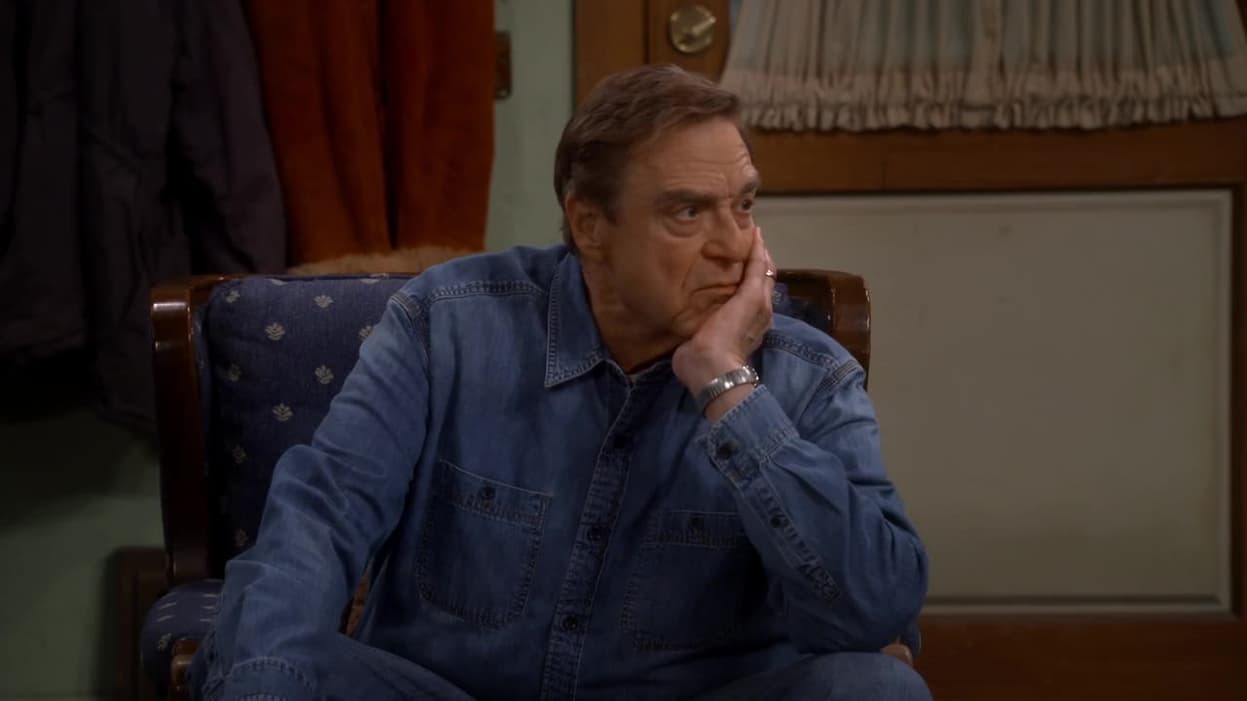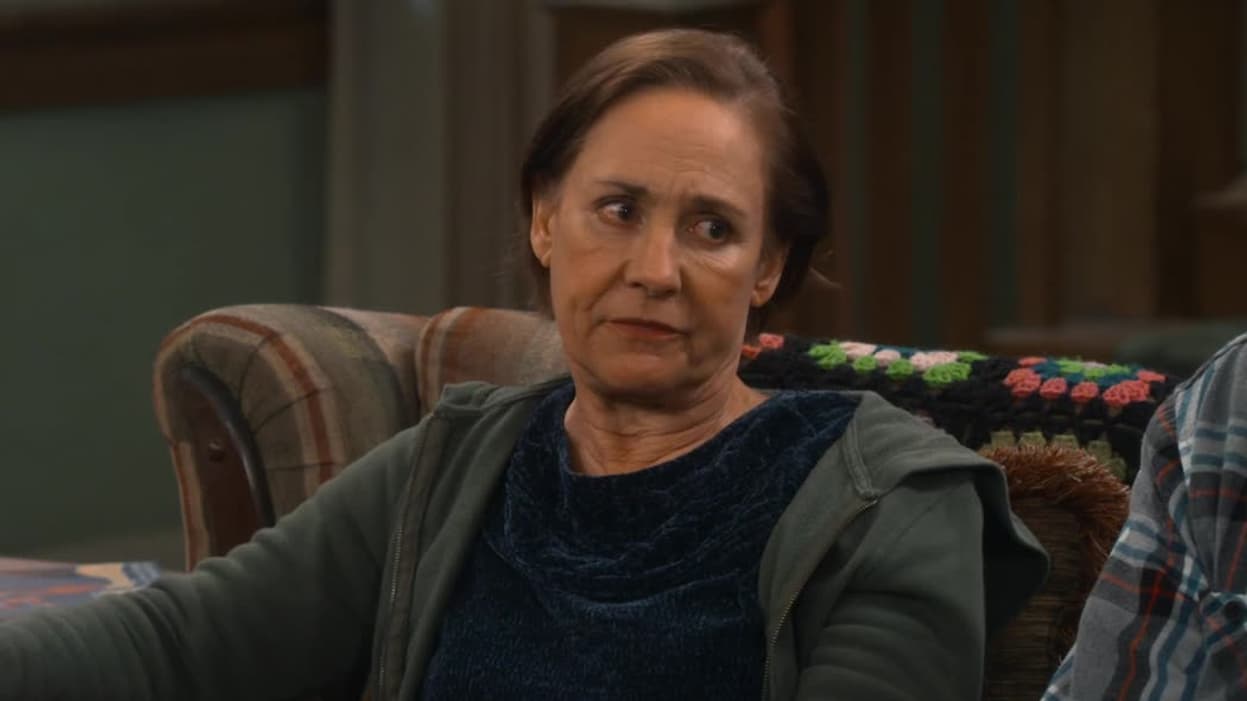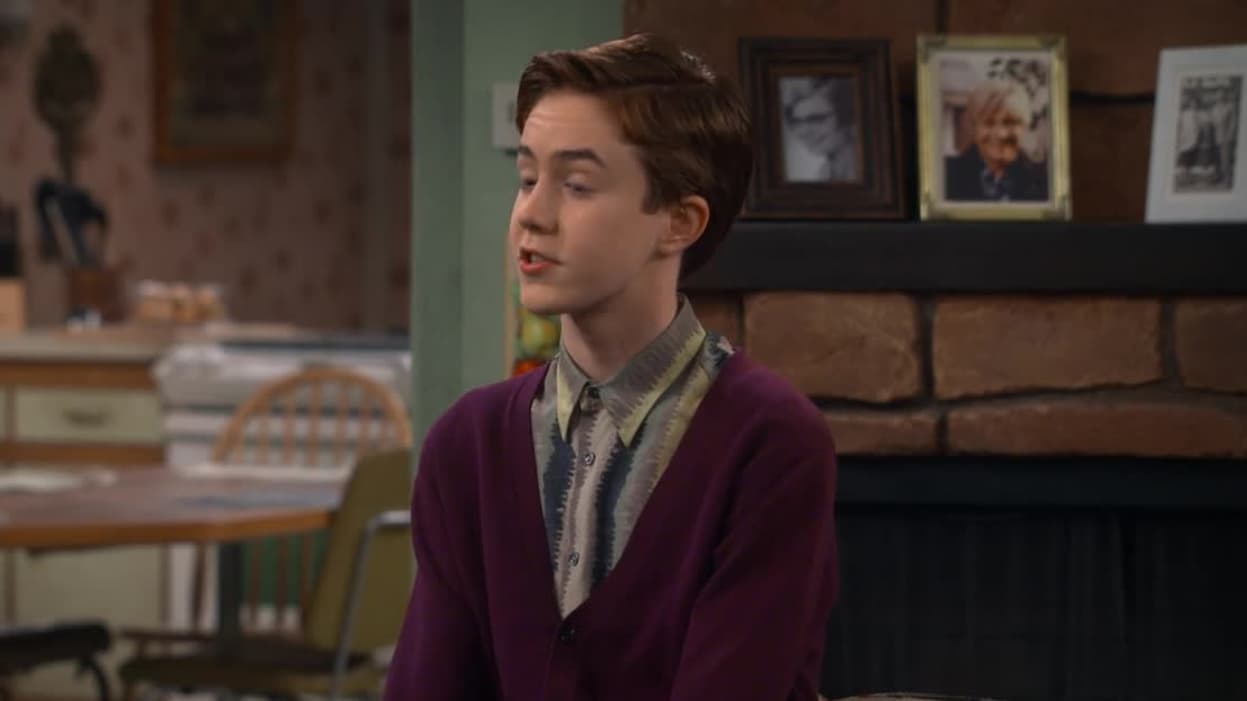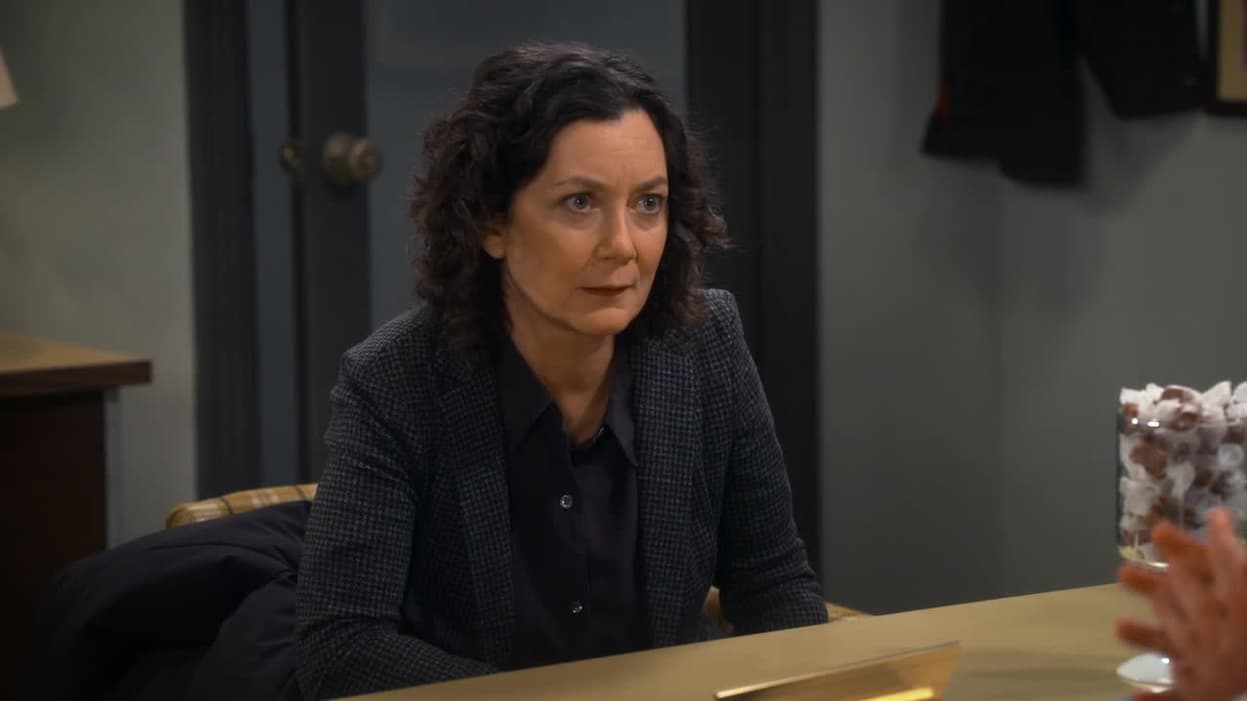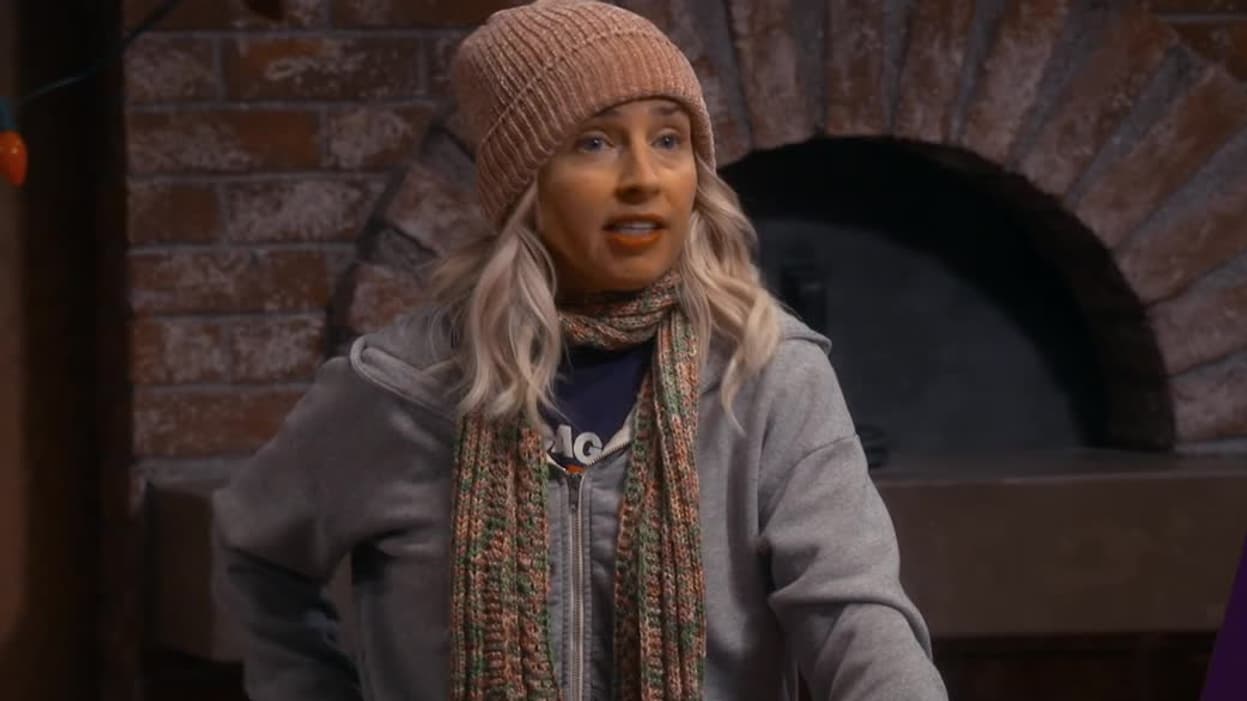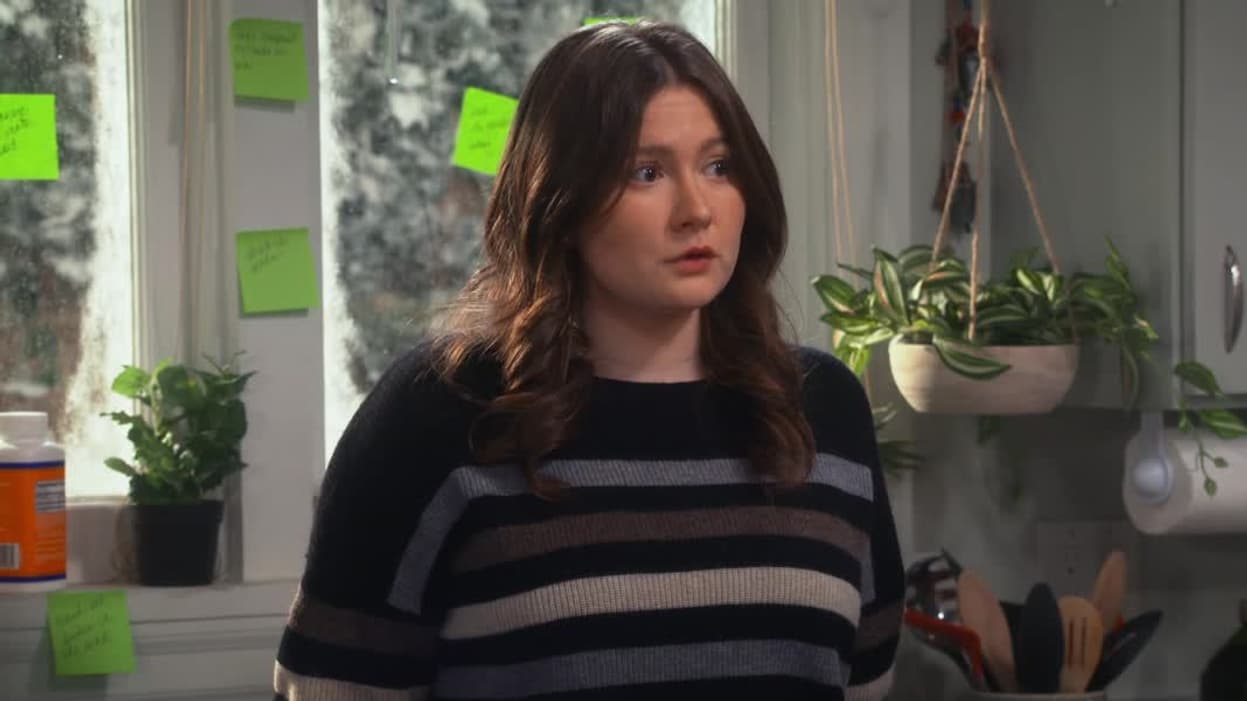
Dan and Jackie take a road trip to a hardware wholesaler in Oklahoma; Darlene heads out of town and leaves behind a plethora of to-do notes for Becky and Ben.
Two couples found themselves on the same deserted island paradise. But only one couple left alive. Buck Walker and Stephanie Stearns arrived in Hawaii on the Sea Wind, which belonged to the missing couple, Mac and Muff Graham. Buck and Stephanie were arrested and served time for boat theft. But years later, bones were discovered on the deserted island and identified as the remains of Muff Graham.
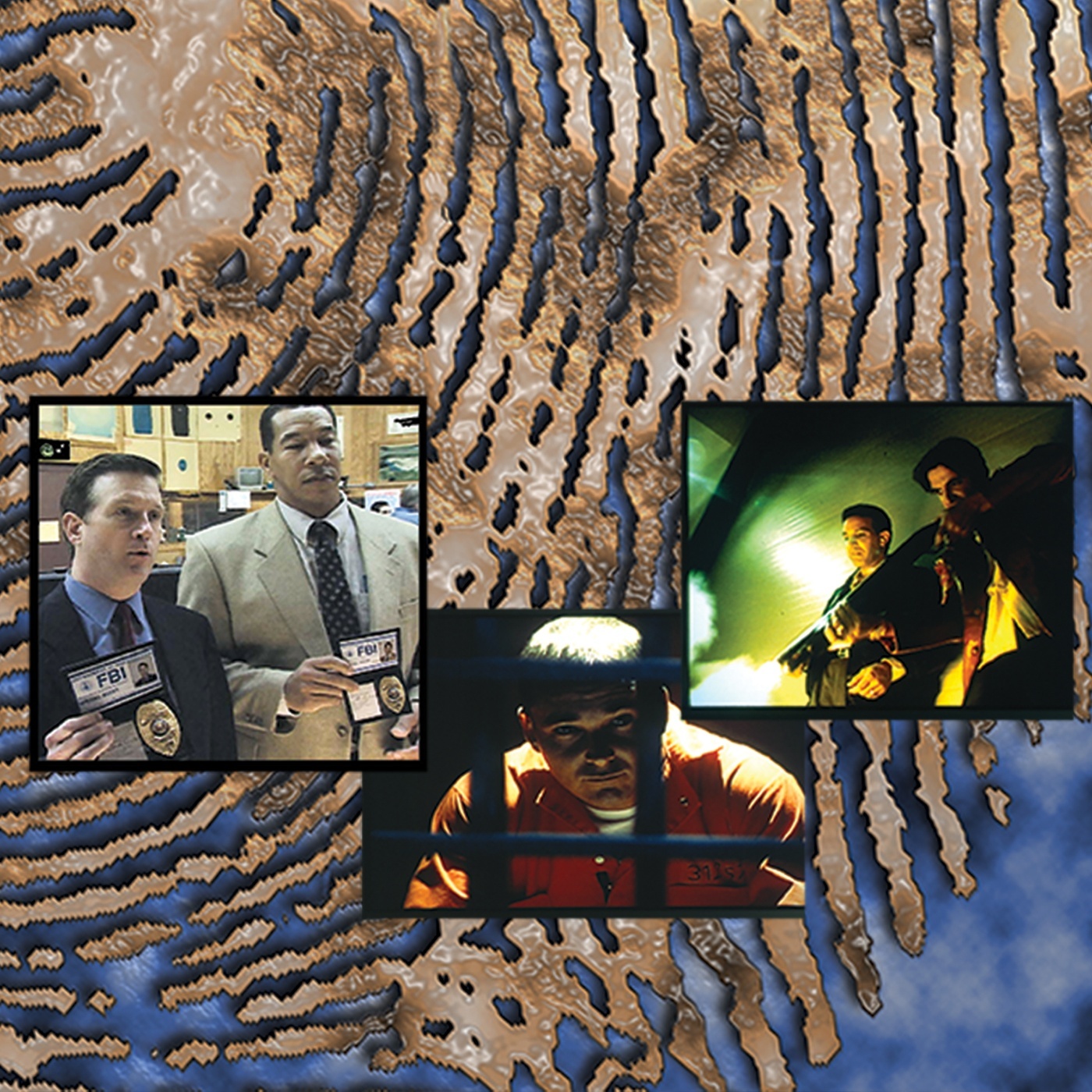
On June 21, 1964, three civil rights workers, two white and one black disappeared in Mississippi while passing through Neshoba County. A massive FBI investigation led to the recovery of the bodies of the slain men and physical evidence was recovered and analyzed. The FBI labs confirmed that all but one of the bullets used to kill the men came from the same gun. The FBI gained the trust of an informant, whose information led to the conviction of seven local Ku Klux Klan members.
He wandered the streets of New York City wearing only pajamas and a bathrobe, but the FBI was convinced that Vince Gigante, the reputed boss of the Genovese crime family, was anything but crazy. The FBI used undercover surveillance, secret audio tapes, six mobsters turned government informants and the testimony of twelve FBI agents to help convict Gigante of murder and conspiracy-to-murder, including a plot to kill rival mob boss John Gotti.
The rapes and murders of ten women near Tampa, Florida in 1984 had the authorities puzzled and the community scared. Since the beginning, the FBI had been analyzing the crime scene evidence and had found a common link: red trilobal carpet fibers. But there was no suspect, until one of the killer's potential victims survived. Through her interviews and the cooperation of local authorities and the FBI, 31-year-old Bobby Joe Long emerged as the prime suspect.
Claude Dallas lived the life of a cowboy. A loner and distrustful of authority, he lived off the land, poaching wildlife and selling the hides. But when two game wardens confronted Dallas about his deeds, they were shot and killed. After a massive manhunt, Dallas was captured and convicted, only to escape months later. Making the FBI's Ten Most Wanted list, Dallas eluded the law for almost a year until the FBI tracked him down in a small town in California.
He was a recluse who spread terror through the mail for 18 years. Two men died and more than a dozen were injured, but Ted Kaczynski wasn't known as the Unabomber until his brother tipped off the FBI. Kaczynski's “Unabomber Manifesto,” published in major newspapers, set off a flurry of activity for the FBI: writing analysis and comparisons, DNA gleaned from a single postage stamp and finally, Kaczynski's arrest at his tiny cabin.
When five-year-old Melissa Brannen disappeared from a Christmas party in December 1989, the only probable suspect was 24-year-old Caleb Hughes. Hughes reportedly left the party around the time Melissa vanished, but no one saw him with the girl. Fifty blue acrylic fibers collected during a search of Hughes' car, however, became the major piece of evidence in the case. FBI fiber analysis determined that those fibers were identical to the ones that made up the sweater Melissa was wearing.
Two couples found themselves on the same deserted island paradise. But only one couple left alive. Buck Walker and Stephanie Stearns arrived in Hawaii on the Sea Wind, which belonged to the missing couple, Mac and Muff Graham. Buck and Stephanie were arrested and served time for boat theft. But years later, bones were discovered on the deserted island and identified as the remains of Muff Graham.
Professional wrestlers from around the world compete against each other in a series of matches in a bid to emerge victorious; featuring stars such as Hulk Hogan, Ric Flair, Sting, Kurt Angle and many more.
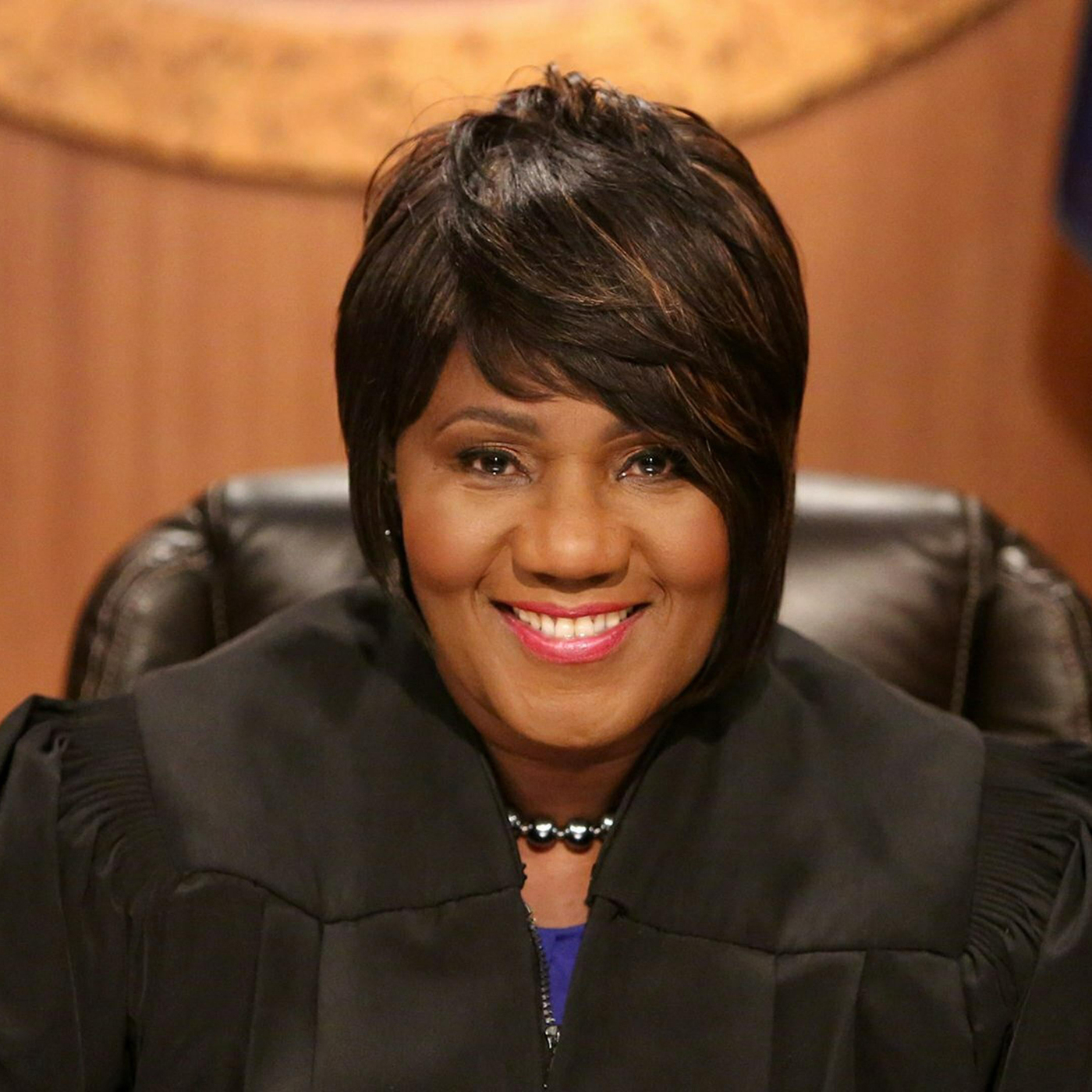
Judge Glenda Hatchett presided over her self-titled courtroom show from 2000-2008. Now, she returns to the medium with "The Verdict." In the half-hour series, the Atlanta native and former juvenile-court judge rules over small-claims cases brought in front of her. Hatchett's courtroom isn't just about finding someone guilty, though. She also uses her experience dealing with young people and her tough-love approach to help send a message to out-of-control juvenile offenders to try to set them on the right track in their lives.
Karen Mills was a county court judge and criminal defense attorney in Florida before turning to TV to preside over her own court shows. In her third effort, "Supreme Justice," Mills tackles small-claims court arbitrations in her compassionate way, to which viewers of her previous shows have grown accustomed. As usual with court shows, cases involve friendships gone bad, money disputes and property damage.
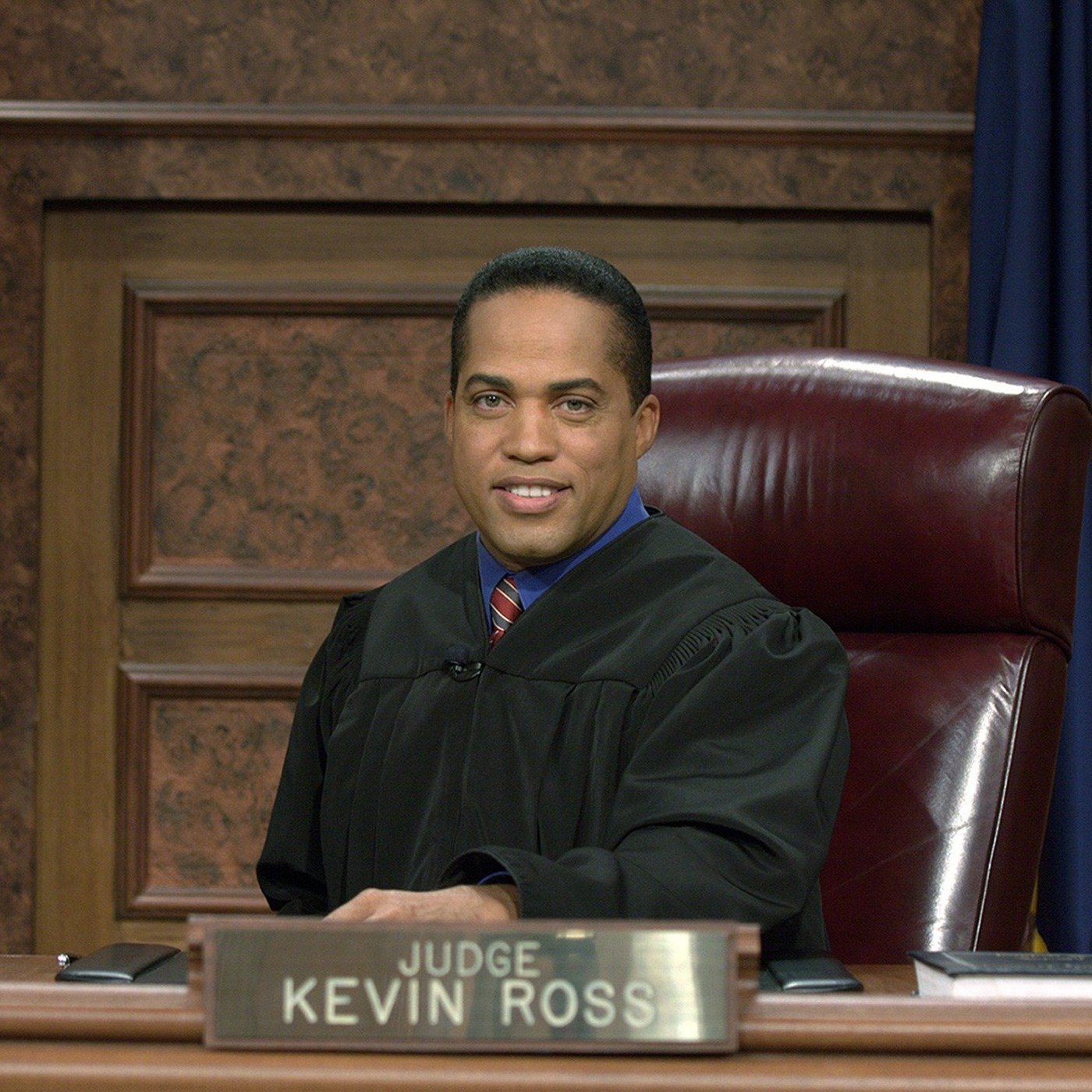
Americans just can't get enough courtroom drama, as is evidenced by yet another addition into the daytime court show fray. Former judge and prosecutor Kevin Ross adjudicates real cases, in which he tries to show litigants alternative ways of dealing with their issues and make them consider the consequences of their actions.
Judge Mablean Ephriam, who presided over "Divorce Court" from 1999-2006 as the first star of the revived version of the show, returns to the courtroom genre with his half-hour series that deals with life and the law. The former Los Angeles-based prosecutor takes on the typical cases that are found on TV court shows. The arbitrator says that her show "will be life because everything we do, it involves the law."
The final four celebrity contestants perform new songs in the season finale episode before the audience and panel votes; the bottom two singers unmask, then the final two go head-to-head one last time; the winner takes home the Golden Mask trophy.
Shoe Shine Mike rolls in with his champion show pig; Jimmie and Tammie check out an early 1900s hydraulic dentist chair; Joker saunters in with a walking stick he believes belonged to Native American legend Geronimo.